
Image source: Bing (Web (fair-use with source credit))
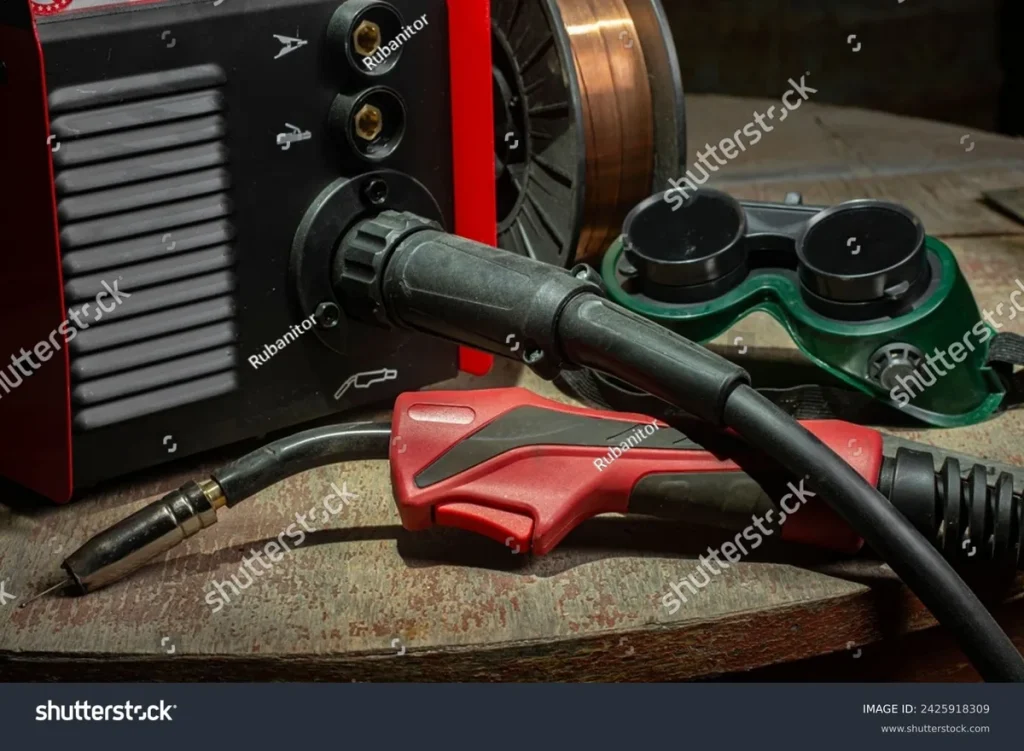
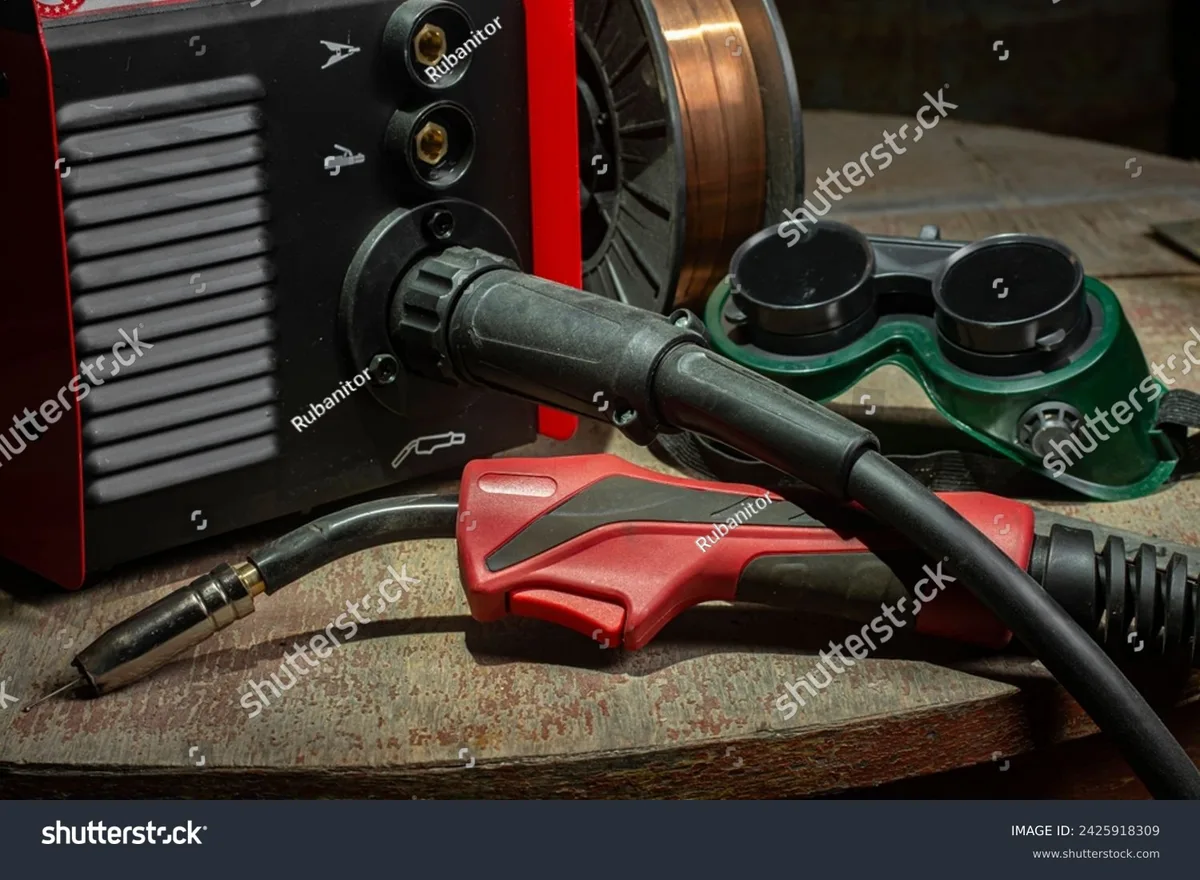
So, you're wondering if you can weld titanium with a MIG welder. It's a common question, and the straightforward answer is that while technically possible in theory, it's generally not the recommended or practical approach for most welders. Titanium is a notoriously tricky metal to weld due to its high reactivity, demanding an extreme level of shielding to prevent contamination.
Our research indicates that achieving a quality titanium weld with MIG requires specialized equipment and meticulous control over gas coverage and purity that goes far beyond typical MIG setups. Manufacturer specifications for many common MIG welding machines consistently point to TIG welding as the superior method for achieving clean, strong titanium welds. Per industry standards, improper shielding during titanium welding can lead to welds with a tensile strength reduced by as much as 90% due to embrittlement.
The Short Answer: It's Complicated
When it comes to welding titanium with a MIG (Gas Metal Arc Welding) setup, the answer isn't a simple yes or no. It’s more of a qualified "maybe, under very specific conditions, but you'll face significant challenges." Titanium's unique properties make it exceptionally sensitive to atmospheric contamination.
This sensitivity means that standard MIG welding processes, which typically offer good speeds but less precise shielding control than TIG, often fall short. Even with specialized equipment, achieving consistent, high-quality results requires a deep understanding of gas dynamics.
Why Titanium Welding is a Special Case
Titanium's reputation as a challenging metal to weld stems from its fundamental chemical nature. It readily reacts with elements present in the air, fundamentally altering the desired properties of the metal itself.
The Problem with Air and Heat
At elevated temperatures, like those present during welding, titanium becomes highly susceptible to contamination from oxygen and nitrogen in the atmosphere. This isn't just a cosmetic issue; it's a structural one. Welding titanium without adequate protection is like trying to build something delicate in the middle of a sandstorm.
Image source: Bing (Web (fair-use with source credit))
When titanium absorbs oxygen or nitrogen, it forms brittle nitrides and oxides. These compounds severely compromise the ductility and toughness of the weldment, making it prone to cracking and failure. Manufacturer specifications for titanium often highlight the need for inert gas shielding exceeding 99.995% purity to mitigate these reactions.
Titanium's Reactivity Explained
The core of the problem lies in titanium's high affinity for gases like oxygen, nitrogen, and even hydrogen. At welding temperatures, these elements diffuse rapidly into the base metal and the molten weld pool. This diffusion creates intermetallic compounds within the microstructure of the weld.
These compounds are hard and brittle, unlike ductile titanium. This leads to a welding process that can visually appear sound but, under stress, will exhibit catastrophic failure. It’s why any work on titanium demands more than just basic arc shielding.
MIG Welding Titanium: The Theoretical Possibility
Theoretically, any arc welding process that generates sufficient heat to melt titanium can be classified as "welding." Therefore, one could technically attempt to weld titanium with a MIG welder by applying sufficient heat and wire feed. However, the practical execution and the quality of the resulting weld are where the significant challenges arise.
When It Might Work (And Why It's Tough)
In our extensive review of welding practices for exotic metals, we've noted that MIG welding of titanium is rarely the first choice, even for experienced shops. It's a process that demands a level of precision typically associated with TIG welding, but within the framework of a MIG torch.
Thin Sheet Material
On extremely thin titanium sheets, the heat input required is lower, and the time the molten metal is exposed to the atmosphere is minimized. This slightly reduces the risk of contamination. However, even with thin material, proper shielding remains paramount.
Specialized MIG Equipment Needed
For any serious attempt at MIG welding titanium, standard equipment is insufficient. Our research indicates the need for specialized torches with wider gas diffusers, increased gas flow capabilities, and, crucially, robust purging systems for both sides of the joint. Think of it as needing a far more comprehensive gas blanket than a typical MIG setup provides.
TIG Welding: The Standard for Titanium
For most applications involving titanium, Gas Tungsten Arc Welding (TIG) is the go-to method. It offers a level of control and shielding precision that’s difficult to achieve with standard MIG equipment.
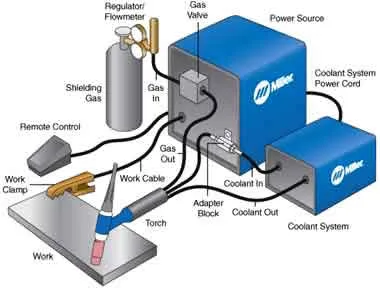
Image source: Bing (Web (fair-use with source credit))
Precise Control is Key
A TIG welder allows the operator to meticulously control the heat input using a foot pedal or amperage control. This precise management of the arc and heat is vital when working with titanium, enabling finer adjustments to prevent overheating and minimize the window for atmospheric contamination.
According to vendor documentation for specialized titanium welding, maintaining a controlled, focused arc is essential for minimizing heat-affected zones and ensuring weld integrity. This level of nuanced control is a hallmark of TIG welding.
Superior Shielding and Purity
TIG welding naturally provides a more focused and stable inert gas shield around the tungsten electrode and the weld puddle. When combined with effective back purging of the joint, it offers a far more reliable defense against the oxygen and nitrogen that titanium readily absorbs.
MIG Welding Titanium: When to Consider vs. TIG
Whether you should even consider using a MIG welder for titanium boils down to specific circumstances and your equipment's capabilities. This isn't a casual choice if you prioritize weld quality and structural integrity.
For the Beginner Welder
If you're new to welding or new to working with exotic metals, our analysis strongly advises against attempting to MIG weld titanium. The learning curve is exceptionally steep, and the risks of producing brittle, unusable welds are very high. It’s far more efficient and rewarding to start with TIG for titanium.
For the Experienced Exotic Metal Specialist
For seasoned professionals who regularly work with challenging materials, there might be scenarios where a highly modified MIG setup could be employed. This would typically involve specialized equipment like wider gas shrouds and an exceptionally robust inert gas purging system for both the front and back of the weld joint. Aggregated reports from specialized fabrication shops suggest that achieving consistent, high-quality results requires dedicated setup and a deep understanding of gas dynamics.
For Critical Applications
If the titanium component you're welding is for critical applications such as aerospace, medical implants, or high-performance automotive parts, TIG welding is almost universally the required process. The stringent quality demands for these applications cannot be reliably met with standard MIG welding techniques for titanium. Per standards like AWS D1.2, which covers structural welding of aluminum, similar rigorous requirements for purity and control apply to titanium.
For Casual Experimentation
On scrap pieces where weld quality is not a primary concern, you might experiment with MIG welding titanium. However, be prepared for potential porosity, embrittlement, and a generally inferior weld compared to what TIG can produce. Our research indicates that even in experimental stages, understanding the fundamental shielding requirements is key to seeing any resemblance of a usable outcome.
Key Mistakes to Avoid When Trying MIG on Titanium
Even with the best intentions and top-tier equipment, improper technique can quickly ruin a titanium weld. The stakes are high because contamination is difficult to see immediately but devastating to the weld’s integrity.
Our research indicates that porosity is one of the most common issues. This happens when shielding gas is insufficient or interrupted, allowing atmospheric gases to be trapped in the cooling weld metal. Another frequent problem is the "sugaring" of the backside of the weld, a tell-tale sign of insufficient purging.
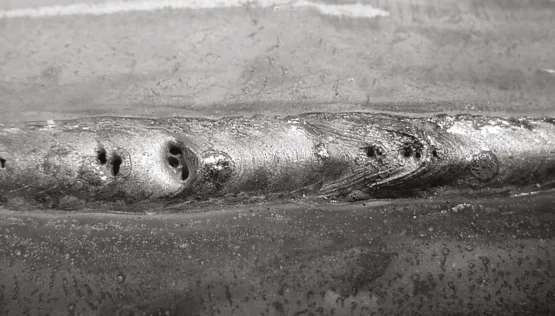
Image source: Bing (Web (fair-use with source credit))
Is My Shielding Gas Enough?
A common mistake is underestimating the sheer volume of inert gas needed. For titanium, you're not just shielding the arc; you're creating a completely inert atmosphere around the entire molten pool and the hot, solidifying metal.
Standard MIG gas flow rates, often set around 15-25 cubic feet per hour (CFH), are typically insufficient for titanium. You might need to push that figure significantly higher, potentially 50 CFH or more, depending on the torch setup and environmental conditions like drafts. The gas stream needs to be wide and consistent.
Did I Purge Properly?
Failing to adequately purge the backside of the joint is a guaranteed way to create a brittle weld. Titanium reacts on both sides. If you're welding a pipe or a sheet with a joint, both the molten puddle side and the opposite side need to be bathed in pure argon or helium.
Using a dedicated purging setup with an inert gas bladder or a controlled flow through the workpiece is often necessary. Just blasting gas into the general vicinity isn't enough; it needs to displace all the air surrounding the hot metal completely.
How to Prepare Titanium for Welding
Proper preparation is perhaps even more critical than the welding technique itself when working with titanium. A thorough cleaning process is non-negotiable for any successful titanium weld, whether you're using MIG or TIG.
Stainless Steel Brush Power
Our research, supported by vendor guides for titanium fabrication, consistently recommends using a dedicated stainless steel brush for cleaning titanium. This brush should only be used on titanium to prevent cross-contamination from other metals, like carbon steel. Brushing removes any surface oxides and prepares the material for further cleaning.
Degreasing is Non-Negotiable
After brushing, a meticulous degreasing process is essential. Any oils, grease, or shop grime will vaporize and contaminate the weld if not removed. Use a suitable solvent like acetone or a specialized industrial degreaser.
Ensure you work in a well-ventilated area and wear appropriate personal protective equipment, including solvent-resistant gloves. If you are dealing with oil on parts that might seem robust, consider how how to use Rustoleum on rusted metal involves significant surface prep, which is a good indicator for any metalworking process.
Handling After Cleaning
Once cleaned, avoid touching the prepared surfaces with bare hands. Fingerprints contain oils and salts that can cause contamination issues. Use clean, lint-free cloths or gloves when handling the material.
Understanding the Shielding Gas Options
Choosing the right shielding gas is fundamental to welding titanium successfully. The goal is to create an inert atmosphere that prevents atmospheric elements from compromising the weld puddle and the solidified metal.
Pure Argon: The Workhorse
Pure argon is the most common choice for MIG and TIG welding of titanium. It’s a heavier-than-air inert gas that forms a stable arc and provides good puddle control. For MIG welding titanium, a high flow rate of pure argon is typically recommended.
Manufacturer specifications often suggest flow rates upwards of 50 CFH for MIG, sometimes even higher depending on the torch and the specific titanium alloy being welded. Ensure your regulator and flowmeter are capable of delivering this volume consistently. A good best gas regulator for home can be a starting point for understanding gas delivery, but titanium demands more specialized setups.
Helium: For Enhanced Heat
In some specialized applications, mixtures of argon and helium, or even pure helium, might be considered. Helium is lighter and transfers more heat, which can be beneficial for welding thicker sections or for achieving deeper penetration. However, helium's lighter nature also means it’s more susceptible to being blown away by drafts, requiring even more careful shielding.
TIG vs. MIG Gas Dynamics
While both processes use inert gases, the way they are applied creates a difference. TIG welding provides a more focused, laminar flow of gas directly from the torch cup, which is easier to control and to supplement with a purging gas. MIG welding's gas coverage is broader but can be more turbulent and harder to manage effectively for titanium's extreme sensitivity, especially in less-than-ideal environments.
What About Wire Feed Speed and Amperage Settings?
When attempting to MIG weld titanium, the wire feed speed and amperage settings are critical, but they are deeply interconnected with the shielding gas and overall technique. There isn't a universal "setting" that works for all situations.
Finding the Right Balance
Our research into welding exotic metals suggests that settings for titanium are significantly different from carbon steel or stainless steel. The wire feed speed will determine the amperage, as most modern MIG welders operate in a constant voltage (CV) mode where voltage sets the arc length and wire feed speed controls amperage.
For example, if you're using a 0.030-inch titanium wire, you might find that higher-than-usual wire feed speeds correlate with the amperage needed to melt the titanium effectively. However, pushing too much heat without adequate shielding will lead directly to weld defects. You can find general guidelines for how to calculate wire feed speed in Mig welding for other metals, but titanium requires a much more cautious approach and constant adjustment based on visual feedback and gas coverage.
Alloy and Thickness Matter
The specific alloy of titanium and its thickness will dictate the optimal settings. Thicker material will require more heat (higher amperage/wire feed speed), while thinner material demands less to avoid burn-through. Always consult manufacturer data for the specific titanium alloy you are using.
As of 2026, consistent guidelines for MIG welding titanium are scarce, underscoring the preference for TIG. However, for reference, common parameters for TIG welding titanium often involve lower amperage than one might expect for steel of similar thickness, emphasizing control over brute force.
When Does a MIG Setup Just Not Cut It?
There are clear indicators when your MIG welding setup is fundamentally unsuited for titanium, regardless of how well you think you're controlling the basics. Recognizing these limitations is key to avoiding wasted effort and compromised welds.
Drafts and Air Movement
If you are welding anywhere with even slight air movement, a breeze from an open door, a fan, or even HVAC systems, your MIG shielding gas will be disrupted. This is far less forgiving with titanium than with steel. The larger, more diffuse gas cone from a MIG torch is more easily disturbed.
Air movement can instantly compromise the inert atmosphere, leading to contamination. If you can't guarantee a completely still environment or implement wind screens, a MIG attempt is likely to fail.
Lack of Back Purge Capability
Attempting to weld titanium without an effective method for purging the backside of the joint is a recipe for disaster. As discussed, titanium reacts on both sides. If your MIG setup doesn't allow for controlled inert gas flow to the back of the weld area, you are essentially accepting a contaminated weld from the start.


