
Image source: Bing (Web (fair-use with source credit))
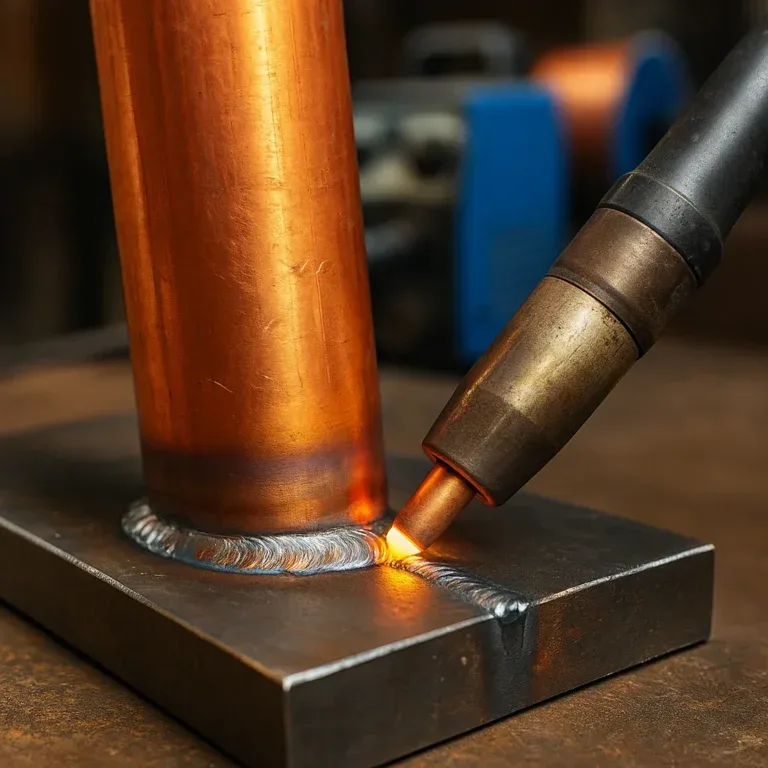
Ever wondered if you can MIG weld copper? It’s a question that pops up when you’re faced with a copper project and your trusty MIG welder is already set up. The straightforward answer is that while it's technically possible, it’s far from simple and often not the best choice. Copper's unique properties make it a challenging material for standard MIG welding processes.
Unlike steel, copper is an exceptional conductor of heat. This means the heat from your welding arc dissipates incredibly fast, spreading throughout the surrounding material. Consequently, you need a much higher heat input just to get the copper hot enough to fuse, but that same high heat can easily cause the copper to melt through uncontrollably. As of 2026, most professional fabricators agree that specialized techniques and equipment are non-negotiable if you’re determined to MIG weld copper.
The Quick Answer: It's Complicated, But Yes (Sometimes)
So, can you MIG weld copper? Yes, you can, but only with specialized equipment and a solid understanding of copper's behavior. It's not something you can typically do with your everyday MIG welder and standard consumables. The process demands specific filler wires and shielding gases, along with careful machine settings.
Without these, you're likely to end up with a messy, weak, or completely failed joint.
Why Copper Acts So Differently for Welding
Copper presents a unique set of challenges for arc welding processes, largely due to its fundamental material properties. That heat conductivity is a double-edged sword, and understanding these characteristics is the first step in figuring out if MIG welding is even an option for your project.
The Challenge: Copper's Heat-Sinking Nature
Copper is renowned for its incredibly high thermal conductivity, about ten times that of steel. This means it’s phenomenal at transferring heat away from a point. When you're trying to weld, this characteristic acts like a massive heat sink, pulling the heat from your arc away from the weld zone almost instantly. To achieve fusion, you need to introduce significantly more heat than you would for steel, just to compensate for this rapid dissipation.
This presents a delicate balancing act: enough heat to melt and join, but not so much that the surrounding material overheams.
The Challenge: Copper's Low Melting Point
While copper is dense and robust, its melting point is lower than many common metals. Pure copper melts at around 1,984°F (1,085°C). This might seem high, but when you combine it with its heat-conductivity, it makes controlling the weld puddle incredibly difficult. The heat you're pumping in to overcome the heat sink effect can quickly push the copper past its melting point, turning your intended joint into a runny mess.
This is why standard MIG welder settings, often found on charts like the Welding Chart Mig Wire for steel, are entirely inadequate and even counterproductive for copper.
What You ACTUALLY Need to MIG Weld Copper
If you're committed to exploring MIG welding for copper, forget about using your standard setup. Manufacturer specifications and industry best practices consistently point to a need for highly specialized consumables and equipment precisely because copper is so unforgiving.
The Right Filler Wire for the Job
Your choice of filler wire is paramount. Standard steel MIG wire is completely unsuitable. For joining copper to copper, you'll often look at specialized copper-based alloys or, in some niche applications, high-silicon aluminum filler wires like ER4043 or ER4047. These have melting points and flow characteristics that are more compatible with copper's thermal properties.
When joining copper to dissimilar metals, even more specific filler alloys, such as bronze or nickel-based wires, might be required. The selection depends entirely on the copper alloy being welded and the mechanical properties required for the final joint.
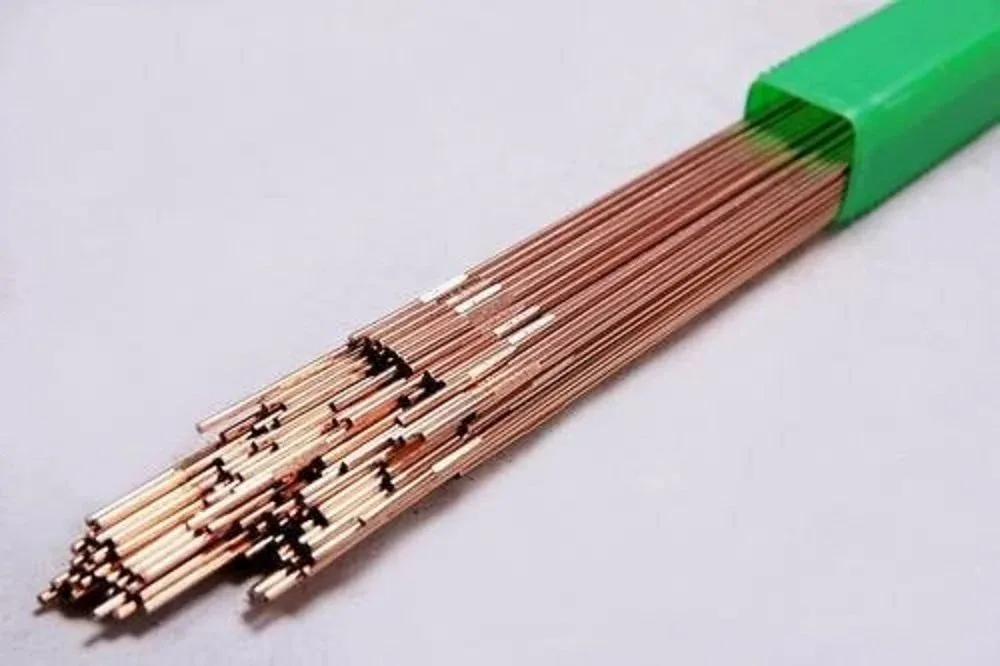
Image source: Bing (Web (fair-use with source credit))
Shielding Gas: Not Your Standard Mix
The shielding gas mixture is just as critical as the filler wire. While standard steel MIG welding often uses a mix of argon and CO2, or an all-purpose argon, copper requires a different approach to combat oxidation and ensure a clean weld. Typically, a higher percentage of argon is used, often pure argon, to provide a clean, stable arc. However, the ideal gas blend can vary depending on the specific filler wire you're using.
A poorly chosen shielding gas will lead to porosity, brittle welds, and a failure to bond. A Best Gas Regulator For Home is essential, but ensuring it’s connected to the correct gas for copper is the real challenge.
Gear Setup: Higher Power, Precise Control
Because copper dissipates heat so rapidly, you’ll generally need to run your MIG welder at significantly higher amperage and voltage settings than you would for steel. This compensates for the heat loss. For example, when MIG welding thinner steels, you might use settings found on a Mig Welder Settings chart, but for copper, you'll be pushing beyond those ranges. This is where precise control becomes absolutely vital; running too hot, even for copper, can lead to immediate melt-through.
Many experienced welders will opt for machines that offer fine-tuned control over both voltage and wire-feed speed to manage this demanding process.
DCEP: The Essential Polarity
For MIG welding copper, the standard polarity is DC, Electrode Positive (DCEP). This polarity directs more of the arc's heat into the workpiece, which is crucial for overcoming copper's high thermal conductivity. Running DCEP helps ensure that you're getting enough heat into the base metal to achieve proper fusion. Using the incorrect polarity, such as DC, Electrode Negative (DCEN), would not provide adequate heat penetration and would result in a cold, weak weld or no weld at all.
When MIG Welding Copper Makes Sense (And When It Doesn't)
Understanding the limitations and specific requirements for MIG welding copper is key to knowing if it's the right tool for your job, or if you'd be better off with a different method altogether.
Where MIG Welding Copper Might Work
MIG welding copper can be considered for specific, well-defined situations where you have the appropriate equipment and expertise.
- Joining Copper to Copper: For certain structural or repair applications where a strong, continuous weld is needed and the material thickness is sufficient to handle the heat input. This isn't for delicate work.
- Specialized Fabrication: In industrial settings or for custom projects where the unique properties of a MIG-welded copper joint are specifically required, and the fabricator has invested in the necessary alloys and setup. Think of joining thick copper busbars, for instance, although even this is often done with specialized resistance welding.
Where MIG Welding Copper is a Bad Idea
For the vast majority of common copper applications, attempting to MIG weld is not only impractical but often disastrous for the finished product.
- Plumbing: Standard copper pipes used for water or gas lines should never be MIG welded. The heat will blast through the thin walls, creating leaks and compromises that are impossible to repair effectively with this method. Plumbing joints are almost universally brazed or soldered for a secure, pressure-tight seal.
- Thin-Gauge Sheet Metal: Unless you have a highly specialized pulsed MIG setup designed for extreme finesse, trying to join thin copper sheets with MIG welding will almost certainly result in holes rather than a weld. The heat builds up too quickly across the surface.
- Electrical Wiring: While copper is central to electrical conductivity, the integrity of the joint is paramount. MIG welding can introduce irregularities and contaminants that compromise electrical flow and strength. Soldering or crimping are standard for electrical connections for good reason.
Essential Alternatives to MIG Welding Copper
Because MIG welding copper is so challenging, many fabricators turn to alternative joining methods that are far more suited to its properties. These methods offer better control and more reliable results for most copper-based projects.
Brazing: A Common, Reliable Choice
Brazing is a widely used method for joining copper, particularly in plumbing and HVAC systems. It involves melting a filler metal that has a melting point above 840°F (450°C) but below the melting point of the base metals being joined. The filler metal flows into the gap between the two components by capillary action.
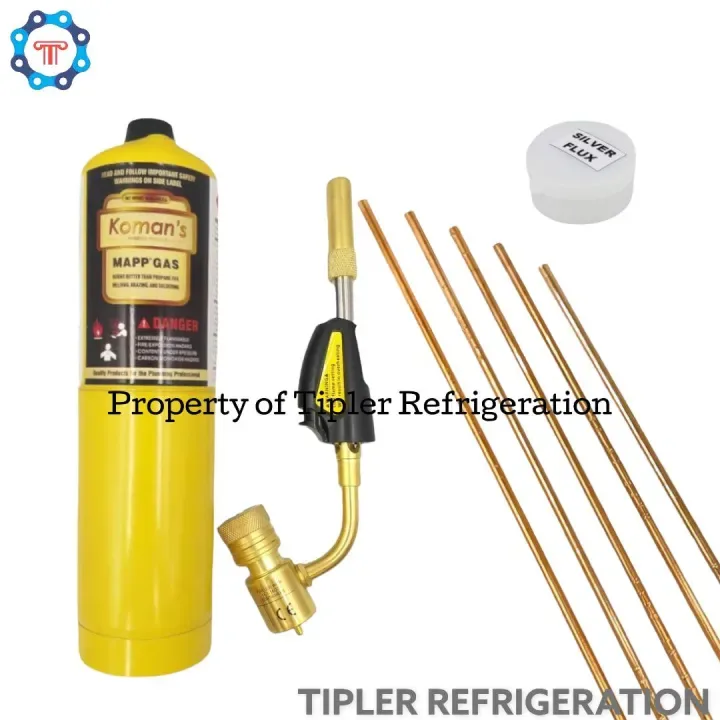
Image source: Bing (Web (fair-use with source credit))
This process creates a strong metallurgical bond without melting the base copper. It's significantly more controllable than MIG welding, especially for thinner materials, and produces a clean, reliable joint. For much of everyday copper work, brazing is the go-to, offering a good balance of strength and ease of use.
Soldering: For Finer Connections
Soldering is similar to brazing but uses filler metals that melt at lower temperatures, below 840°F (450°C). This makes it an excellent choice for electrical connections and applications where minimal heat input is critical to avoid damaging components. Soldering relies on capillary action to draw the filler metal into the joint. It produces a good electrical connection but generally isn't as structurally strong as a brazed or welded joint.
For delicate electronics or low-pressure plumbing, soldering is often the preferred method.
TIG Welding: A More Controlled Arc
TIG welding can be a viable option for joining copper, offering more control than MIG welding for many applications. The TIG process uses a non-consumable tungsten electrode and a separate filler rod, allowing the welder to precisely control the heat input and the amount of filler material added.
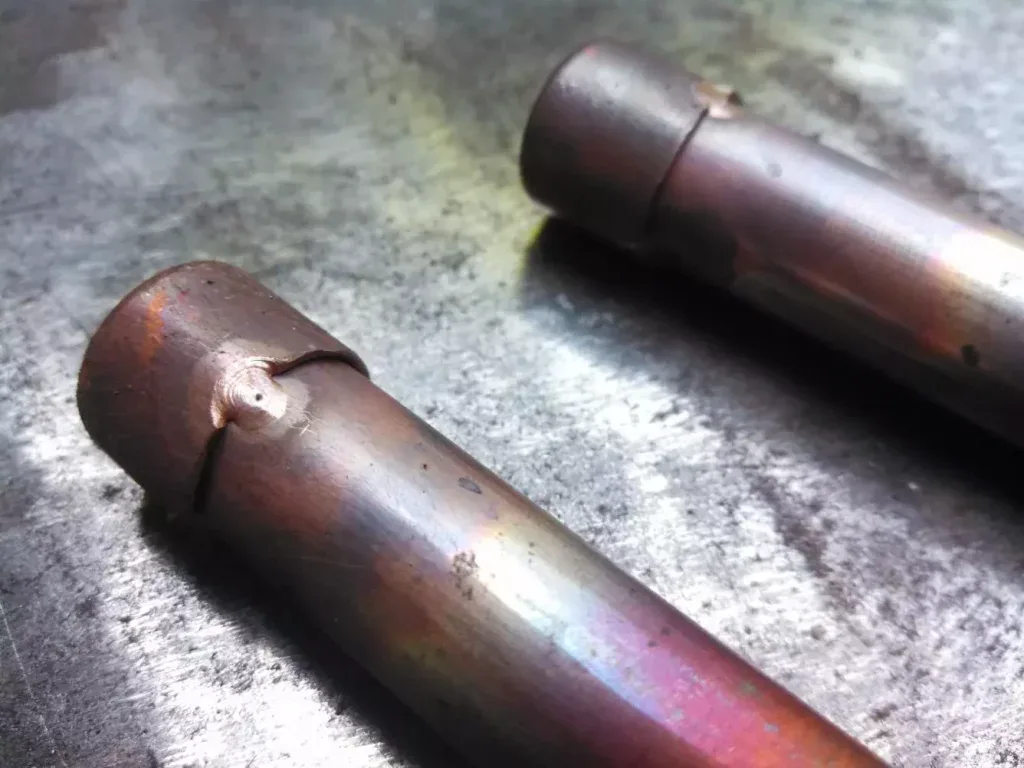
Image source: Bing (Web (fair-use with source credit))
Like MIG welding, TIG welding copper requires specialized filler rods (often similar to those used in MIG) and a higher amperage. However, the discrete control over the arc and filler metal makes it more forgiving than MIG for many fabricators tackling copper. You can find useful related information for selecting filler rods in a Tig Welding Filler Rod Selection Chart.
Common Mistakes When Tackling Copper MIG Welding
Even with the right equipment, mistakes are easy to make when you're working with copper, and they often lead to wasted time and materials. Our research into common welding failures highlights a few recurring issues that can turn a promising copper project into a frustrating one. Avoiding these pitfalls is crucial for success.
Overlooking Specialized Consumables
The most frequent error folks make is treating copper like any other metal. Believing your standard MIG wire and gas will work is a recipe for disaster. Using a generic steel filler wire on copper is like trying to paint a masterpiece with a broom, it's the wrong tool for the job. This often results in brittle welds, poor adhesion, and a joint that fails under minimal stress.
Always verify your filler material is specifically rated for copper or copper alloys.
Not Managing the Heat Properly
Copper’s conductivity is its biggest hurdle. Many welders underestimate how quickly heat dissipates, leading them to try and compensate by blasting the metal with excessive amps, hoping to get it hot enough. This often backfires, causing the edges of the copper to melt away, creating blow-throughs or an uncontrolled, lumpy puddle. Managing heat means understanding that you need a hotter, faster arc that you can move precisely, rather than just raw, sustained power.
This isn't unlike learning the delicate art of how to mig weld auto body panels, where material thinness demands fine control.
Using the Wrong Equipment Settings
Beyond just heat, incorrect wire feed speed (WFS) or voltage settings can ruin a copper MIG weld. If your WFS is too low for the amperage you're running, you'll get a weak, spattery joint. If it's too high, you can overwhelm the puddle. Manufacturer specifications and welding charts for specific copper alloys are your best guides here, rather than generic charts for steel.
For instance, a typical Lincoln Welder Settings Chart for mild steel will be wildly off the mark for copper. Understanding how to calculate wire feed speed in mig welding is a foundational skill, but it must be applied within the context of copper's unique demands.
Expert Tips for Success (If You Must MIG Copper)
When the decision is made to push forward with MIG welding copper, a few pro tips can significantly increase your chances of achieving a sound joint. These are the accumulated insights from those who've successfully navigated this demanding process.
- Preheat Sparingly, If At All: While some copper alloys might benefit from a slight preheat to reduce thermal shock, it's a delicate balance. Overheating can lead to excessive sag or melt-through. For most common copper, a vigorous arc with the right consumables is preferred over significant preheating.
- Cleanliness is Paramount: Ensure your copper surfaces are scrupulously clean. Use a stainless steel wire brush dedicated solely to copper, and degrease the area thoroughly. Any surface contamination, like oils, oxides, or dirt, will cause weld defects.
- Move with Purpose: Work quickly and decisively. Because copper dissipates heat so fast, you can't linger. Develop a consistent welding motion that allows for adequate fusion without burning through. Practice on scrap pieces of the same material and thickness first.
- Consider Pulsed MIG: If your MIG welder has a pulsed spray function, it can be a game-changer for copper. Pulsed MIG offers better heat control and penetration characteristics, making it much more forgiving than standard spray or short-circuit transfer modes for challenging metals like copper.
Decision Guide: Should You MIG Weld Copper?
Deciding whether to MIG weld copper involves weighing the technical challenges against your project’s requirements and your available resources. It's a bit like choosing between repairing a heater core yourself versus taking it to a specialist, sometimes the DIY route is more trouble than it’s worth.
- If your project is plumbing or delicate electrical work: Absolutely do not MIG weld. Opt for soldering or brazing. These methods are proven, reliable, and specifically designed for these applications.
- If you lack specialized copper welding wire and gas: Don't even consider MIG welding copper. Your success rate will be near zero, and you'll likely waste materials and time.
- If your copper pieces are thin: Unless you have advanced pulsed MIG capabilities and significant practice, MIG welding thin copper is highly likely to result in failure.
- If you have access to TIG welding equipment and expertise: TIG welding is generally a much better, more controllable option for copper than MIG. It offers superior fine-tuning of heat and filler.
- If you have a high-quality MIG welder with pulsed capability, the correct specialized consumables, and are prepared for a steep learning curve: It might be worth trying for specific fabrication tasks where other methods aren't suitable. But be prepared to practice extensively on scrap material first.


