
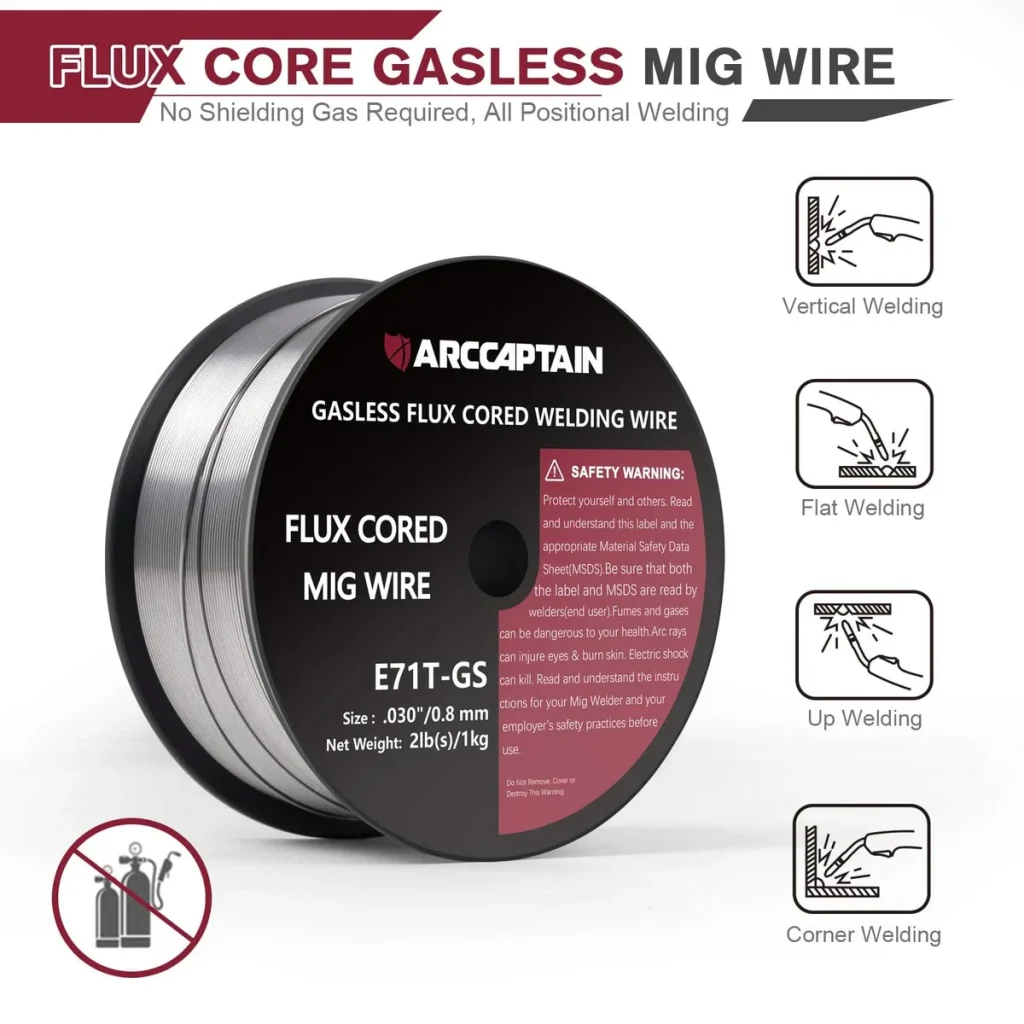
Most of the time, yes, MIG welding uses a shielding gas. This gas creates a protective atmosphere around your molten weld puddle, preventing contamination from the air's oxygen and nitrogen. It’s a critical step for achieving strong, clean welds.
However, there's a popular variation called gasless MIG welding (technically flux-cored arc welding) where the wire itself provides the necessary shielding. Manufacturer specifications for many common MIG welders designed for steel indicate a requirement for external shielding gas for optimal performance. As of 2026, this distinction remains fundamental to understanding MIG welding processes.
How MIG Welding Works: The Role of Shielding
MIG (Metal Inert Gas) welding, also known as Gas Metal Arc Welding (GMAW), relies on a consumable wire electrode that feeds through a welding gun. As you pull the trigger, the wire feeds, the arc ignites, and metal transfers from the wire to your workpiece, forming a weld bead. But for that puddle to solidify into a sound joint, it needs protection from the atmosphere.
Why Welding Needs a Shield
The air around us, while essential for life, is full of reactive elements like oxygen and nitrogen. When exposed to the intense heat of a welding arc, these elements can combine with the molten metal. This interaction weakens the weld, making it brittle, porous, and prone to failure. A shielding gas acts like an invisible bubble or shield around the arc and the molten weld pool, pushing away the surrounding air and preventing these damaging reactions.
This protection is vital for creating welds with proper metallurgical integrity, as outlined by standards like those from the American Welding Society (AWS).
The Two Sides of MIG: Gas-Shielded vs. Gasless
When discussing MIG welding, it's important to recognize two primary approaches: gas-shielded and gasless. They both use a wire electrode dispensed from a spool, but their methods of protecting the weld pool from atmospheric contamination differ significantly. The choice between them often depends on the type of metal being welded, the environmental conditions, and the desired weld characteristics. Understanding this difference is your first step in figuring out whether your MIG setup needs a gas bottle.
Gas-Shielded MIG: What's Involved?
This is the classic MIG welding scenario most people picture. Here, an external supply of shielding gas is fed through the welding gun to protect the molten weld pool. It's the go-to method for achieving high-quality welds on a wide variety of metals, particularly steel.
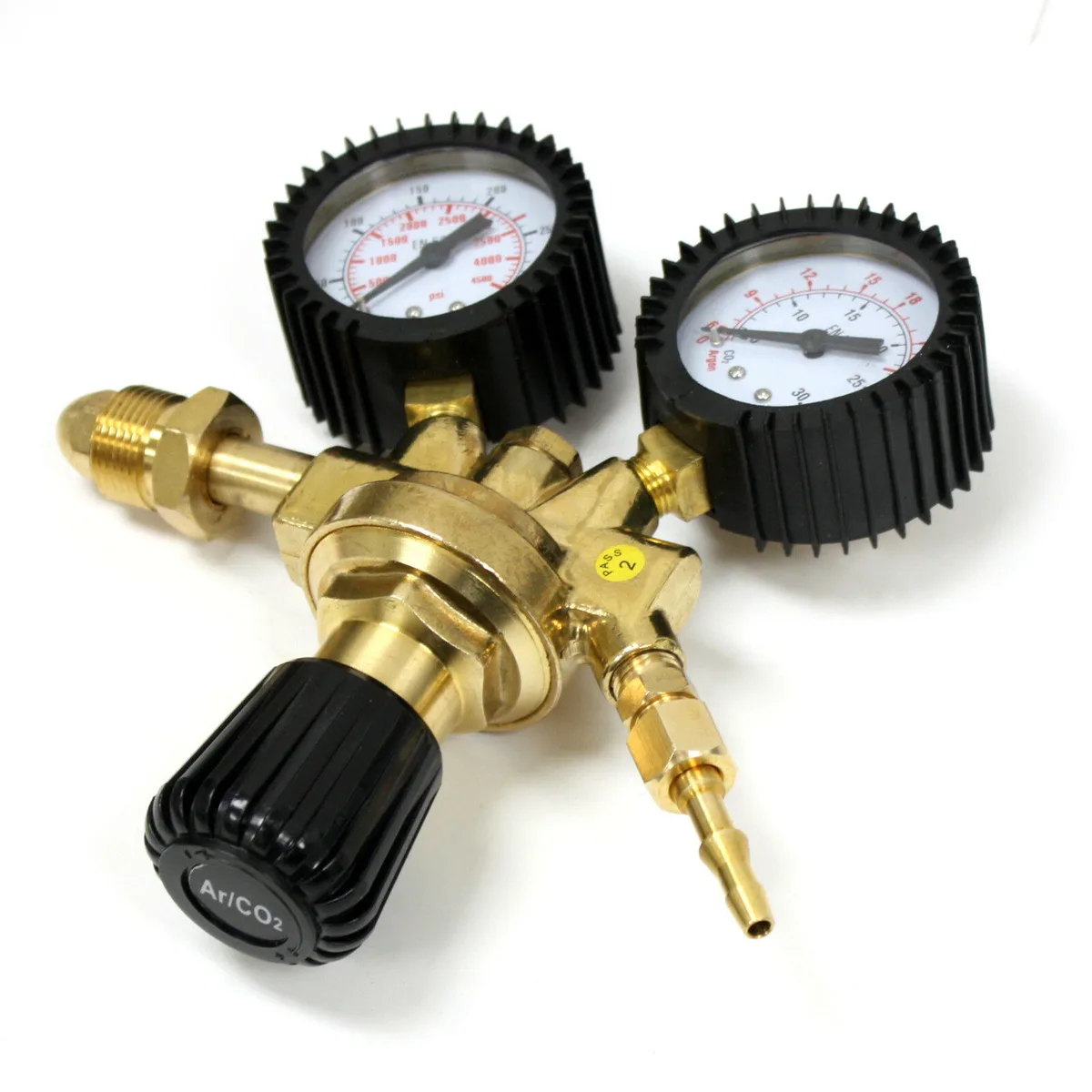
The Essential Components: Gas Bottle, Regulator, Hose
To run a gas-shielded MIG setup, you'll need a few key pieces of equipment beyond the welder itself.
- Shielding Gas Bottle: This is a cylinder containing your chosen shielding gas or gas mixture under pressure. Common gases include argon, carbon dioxide, or blends of the two.
- Regulator: This device attaches to the gas bottle and reduces the high pressure inside the cylinder to a usable, lower working pressure. It also typically includes a flowmeter to set the gas flow rate. You can find excellent options for home use based on your specific gas type.
- Gas Hose: A flexible hose connects the regulator to your MIG welder, carrying the regulated gas to the welding gun.
Common Shielding Gases and What They're For (CO2, Argon, Mixes)
The type of gas you use for MIG welding directly impacts weld characteristics and what metals you can effectively join.
- Pure Carbon Dioxide (CO2): This is a cost-effective gas, widely available and often used for welding thicker mild steel. However, CO2 can lead to higher spatter levels and a slightly shallower weld penetration compared to argon mixes.
- Pure Argon: This inert gas is excellent for welding non-ferrous metals like aluminum and stainless steel. It provides a very clean arc and minimizes spatter. For plain carbon steel, pure argon is generally not used as it doesn't provide sufficient arc stability or penetration.
- Argon/CO2 Mixes: These are the most common choices for welding mild steel. A 75% Argon / 25% CO2 mix offers a good balance of smooth arc, good penetration, and acceptable spatter. Increasing the argon content (e.g., 90% Argon / 10% CO2) typically results in a softer arc, less spatter, and a cleaner appearance, often preferred for thinner materials or when aesthetics are important. Understanding these blends is crucial for mig welder settings.
When to Choose Gas-Shielded MIG
Gas-shielded MIG welding is the preferred method for many applications due to the superior weld quality it typically provides. It’s best if you're:
- Welding clean steel, aluminum, or stainless steel in a controlled environment.
- Prioritizing a cleaner weld appearance with minimal spatter and slag.
- Needing deeper penetration for strong structural joints.
- Working indoors or in a location shielded from wind.
For more on specific material settings, consult resources like a welding chart mig wire guide.
Gasless MIG: The Wire Does the Work
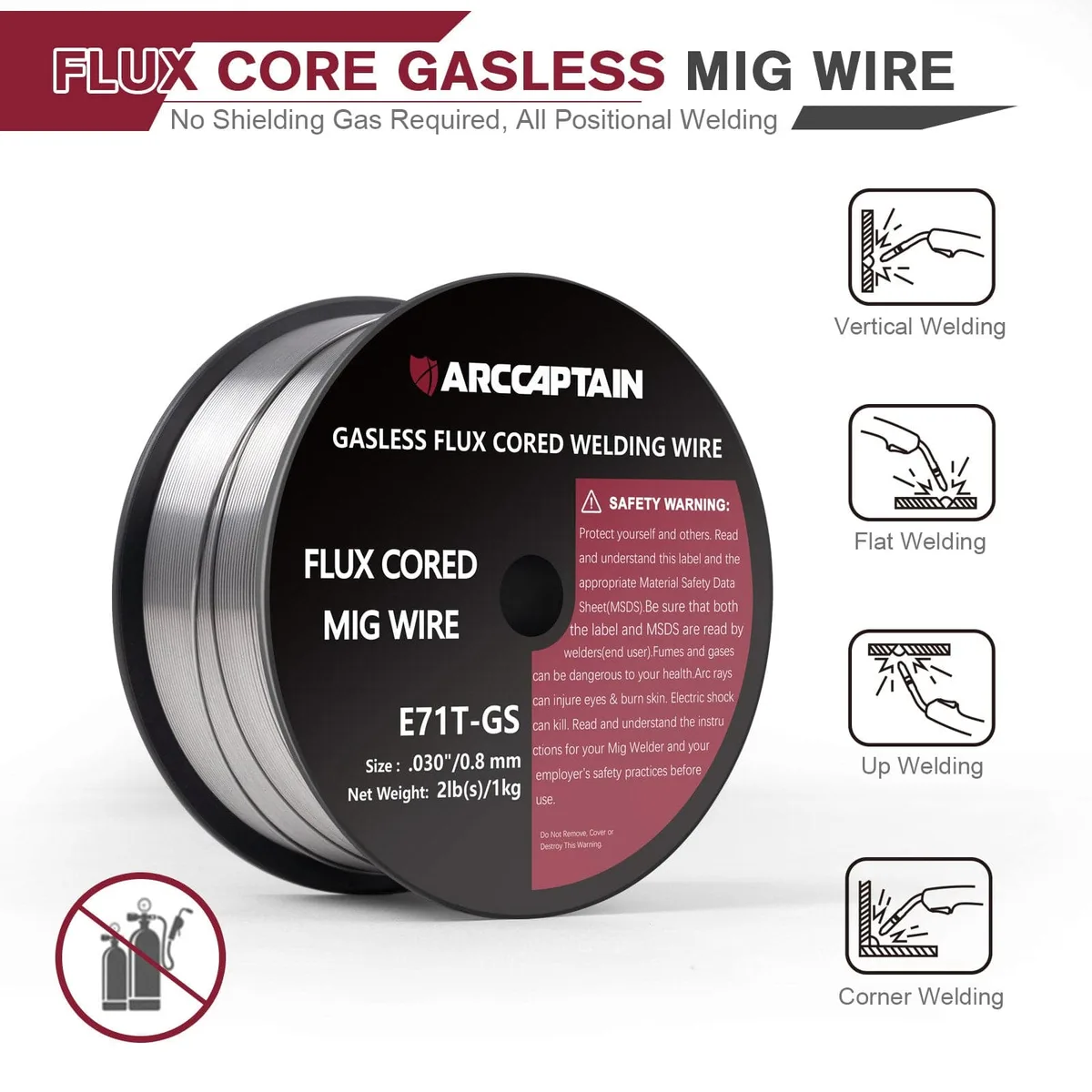
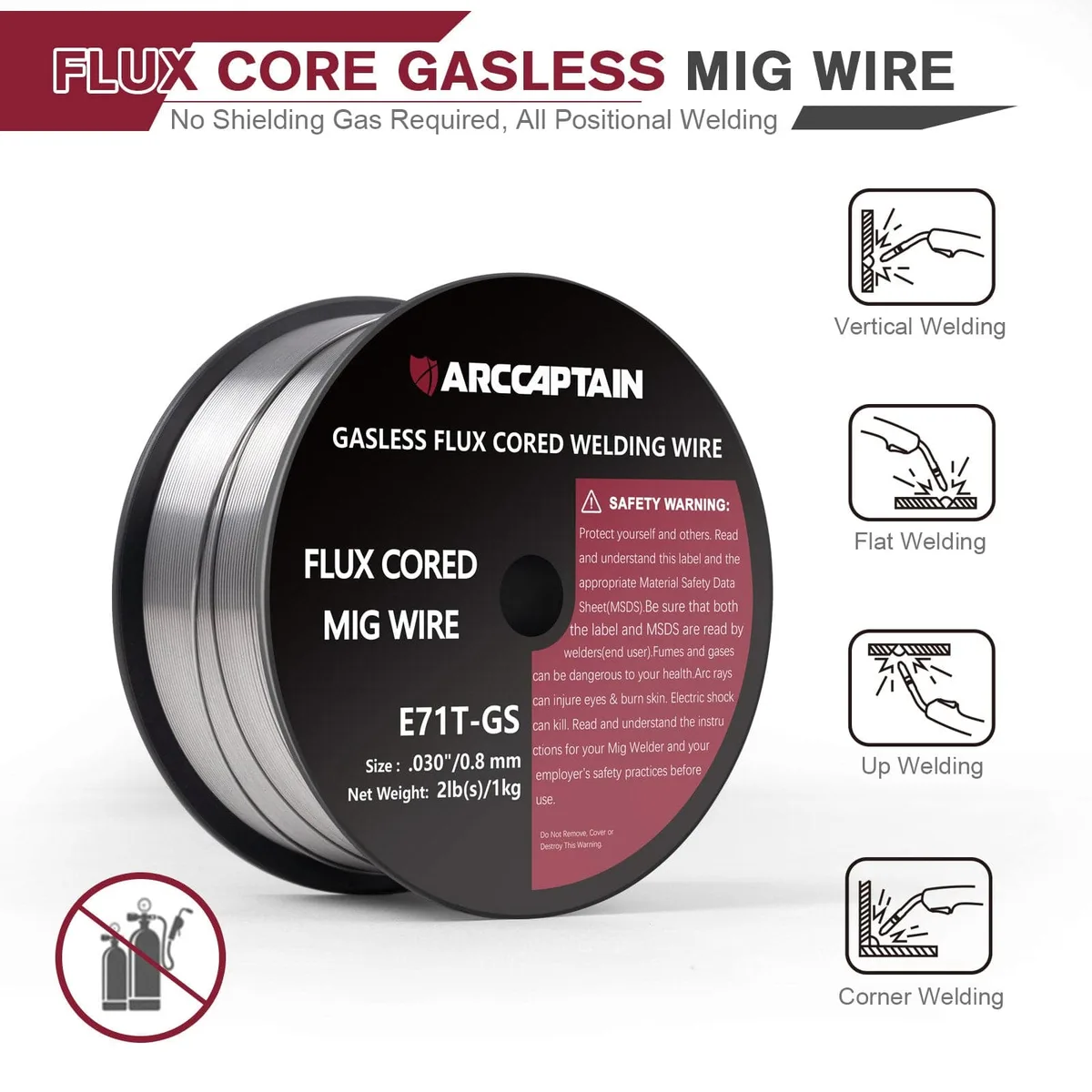
Gasless MIG welding, often referred to as Flux-Cored Arc Welding (FCAW), bypasses the need for an external shielding gas bottle. Instead, the welding wire itself contains a flux material within its core. This flux is released as the wire melts, creating its own protective shield.
How Flux-Cored Wire Protects Your Weld
The wire used in gasless MIG has a hollow core filled with a flux compound. As this wire feeds into the arc and melts, the flux breaks down and forms a gaseous shield around the molten weld pool. This process simultaneously introduces deoxidizers and cleaning agents into the weld to combat impurities and slag. The slag layer that forms on top of the solidified weld bead also acts as a shield, further protecting it as it cools.
When Gasless MIG Makes More Sense (Wind, Portability)
This method offers distinct advantages in specific situations. Gasless MIG is ideal when:
- Welding Outdoors or in Windy Conditions: The self-shielding nature of flux-cored wire makes it far more resilient to drafts and breezes that would blow away traditional shielding gas. This makes it a practical choice for job sites where a controlled atmosphere isn't possible.
- Portability is Key: Eliminating the gas bottle and regulator simplifies your equipment setup, making it lighter and easier to transport. This is a significant benefit for mobile welders or those working in confined spaces.
- Dealing with Slightly Dirty or Rusted Metal: While clean metal is always best, the flux in the wire can help to overcome minor surface contaminants better than solid wire in a gas-shielded process. You might use this process after preparing rusted metal with something like how to use Rustoleum on rusted metal.
Pros and Cons: Gas vs. Gasless MIG
Deciding between gas-shielded and gasless MIG welding involves weighing their respective advantages and disadvantages. Each has its place depending on your project, skill level, and working environment.
Benefits of Using Shielding Gas
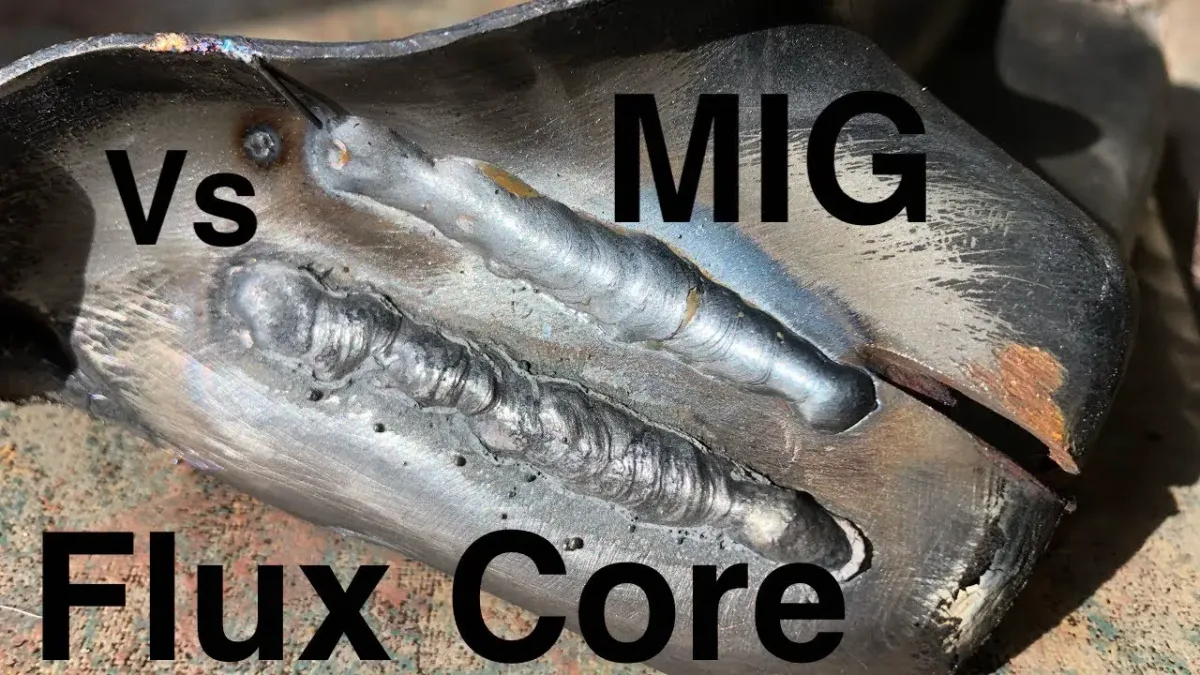
- Superior Weld Quality: Generally produces cleaner welds with less spatter and slag for a nicer finish.
- Better Control: Allows for more precise control over arc characteristics and penetration.
- Versatility: Can be used effectively on a wider range of metals, including aluminum and stainless steel, with the right gas.
- Less Post-Weld Cleaning: Reduced spatter means less time spent grinding and cleaning the workpiece after welding.
Drawbacks of Using Shielding Gas
- Additional Equipment: Requires a gas bottle, regulator, and hose, adding complexity and cost.
- Wind Sensitivity: Shielding gas can be easily blown away in windy conditions, compromising weld quality.
- Gas Consumption: Gas is consumed during welding, requiring refills or exchanges.
- Cost: Shielding gases can be expensive, especially for smaller operations or hobbyists.
Benefits of Gasless MIG
- Simplicity & Convenience: No need for extra gas equipment, making setup faster and simpler.
- Portability: Easier to transport and use in various locations due to fewer components.
- Wind Resistance: Excellent for outdoor use or in environments with airflow.
- Cost-Effective: No ongoing cost for shielding gas refills. While flux-cored wire can be pricier per pound than solid wire, the lack of gas expense can make it cheaper overall for some users.
Drawbacks of Gasless MIG
- Increased Spatter & Slag: Typically produces more spatter and a thicker slag layer that requires removal.
- Deeper Penetration (Potential Issue): Can sometimes penetrate deeper than desired on thinner materials, potentially causing burn-through.
- Limited Material Options: Primarily best suited for steel; not ideal for aluminum or thin stainless steel.
- Fumes: Flux-cored wires can produce more fumes than solid wires, requiring good ventilation.
Common Mistakes to Avoid When Choosing Your MIG Setup
When you're starting out, or even when you're a seasoned welder looking to optimize, there are a few common missteps that can lead to frustration and poor weld quality. Understanding these pitfalls helps you make the right choices for your welding needs.
Misunderstanding Wire Type: Solid vs. Flux-Cored
A frequent error is not recognizing the difference between solid wire (used with shielding gas) and flux-cored wire (used for gasless MIG). Using solid wire without gas, or attempting to run flux-cored wire with the wrong gas or no gas when it's designed for it, will result in weak, contaminated welds. Always check the packaging and specifications of your welding wire.
Ignoring Environmental Factors (Wind)
Trying to use gas-shielded MIG welding outdoors on a breezy day is a common mistake. The shielding gas will be dispersed by the wind, leaving your molten weld pool exposed to the atmosphere. This leads to porosity, weak welds, and a lot of frustration. For outdoor or windy conditions, gasless MIG or shielded metal arc welding (stick welding) with appropriate settings like those on a welding settings for stick welding chart is generally a better choice.
Improper Gas Flow Settings
Even with the correct gas-shielded setup, incorrect gas flow rates can cause problems. Too little gas won't provide adequate protection, leading to weld defects. Too much gas can create turbulence around the weld pool, drawing in atmospheric contaminants or causing arc instability. The ideal flow rate, typically between 15-25 CFH (cubic feet per hour) depending on the gas and application, should be set using your regulator's flowmeter.
Consulting your welder's manual or a Lincoln welder settings chart can provide recommended starting points.
When Exactly Should You Use Gasless MIG Welding?
Gasless MIG welding, utilizing flux-cored wire, shines brightest when external conditions make standard gas shielding impractical or unnecessarily complex. If you're welding outside and a consistent breeze is a factor, the self-shielding nature of flux-cored wire prevents the protecting gas from being blown away, ensuring a sound weld. It's also a great choice for portability; fewer components mean a lighter, more manageable setup for jobs far from a workshop. This process is well-suited for moderately thick steel where deeper penetration might be beneficial, and you're not overly concerned with a perfectly clean, spatter-free finish right off the arc.
Is Gasless MIG Good for Beginners?
For absolute beginners, gasless MIG can sometimes be more forgiving. You focus on maintaining the correct torch angle and travel speed without the added complexity of managing gas flow rates. The wire feeding and arc characteristics are often more robust. However, it’s crucial to understand that "easier" doesn't mean "perfect." You'll still need to master travel speed and torch placement, and be prepared for more cleanup due to increased spatter.
Many beginner welding kits prioritize gasless operation for this very reason.
When is Gas-Shielded MIG the Clear Winner?
Gas-shielded MIG welding stands out when quality, appearance, and material versatility are top priorities. If you're working with aluminum, stainless steel, or need very clean, aesthetically pleasing welds on mild steel, the precise control offered by shielding gas is invaluable. Inside a dedicated workshop or a controlled environment, the shielding gas creates a bubble that ensures maximum weld integrity by excluding atmospheric contaminants. This method generally results in less spatter and slag, meaning less post-weld grinding and preparation.
Can You MIG Weld Aluminum Without Gas?
No, not effectively. While some flux-cored wires are designed for aluminum, they are rare and often not recommended for achieving optimal results. Standard gas-shielded MIG welding for aluminum typically requires a 100% Argon shielding gas supply. This inert gas is crucial for preventing oxidation and ensuring a clean, strong weld on aluminum alloys.
Attempting to weld aluminum with CO2 or common Argon/CO2 mixes will lead to poor weld quality and significant contamination.
What Problems Arise From Incorrect Gas Selection?
Choosing the wrong type of shielding gas for your MIG welding application can lead to several undesirable outcomes. Using pure CO2 on thin stainless steel might cause excessive heat input and poor fusion, whereas using pure Argon on thick mild steel might result in insufficient penetration and a weaker joint. Using inert gases like Argon on reactive metals requires careful parameter settings, often detailed in manufacturer specifications, to ensure proper arc stability and weld metal transfer.
Impact on Spatter and Weld Appearance
Shielding gas choice dramatically influences spatter. For instance, higher CO2 content in a gas mix tends to produce a more forceful spray arc, which commonly results in more spatter. Conversely, mixes with higher Argon content often yield a softer arc, leading to less spatter and a sleeker weld bead. If appearance is critical, selecting the right gas blend is as important as setting your voltage and wire feed speed correctly.
How to Identify If Your MIG Welder Needs Gas
The easiest way to determine if your MIG welder requires shielding gas is by looking at the type of wire it's set up to use. If you have a spool of solid welding wire and a connection port for a gas line on your welder, then you are set up for gas-shielded MIG. If your welder is configured with a drive roller system for flux-cored wire and there's no gas line connection, it's likely designed for gasless operation. Many welders can be configured for both, but they require specific setups and consumables for each process.
Checking Your Welder's Manual and Wire Spool
Always consult your welding machine's owner's manual for definitive information on supported processes and configuration. The wire spool packaging will also clearly state whether it is a solid wire for gas-shielded MIG or a flux-cored wire for gasless operation. These labels are your best guide to ensuring you use the correct setup to avoid weld defects and equipment damage. For example, specifications found on datasheets for common mig wires from Lincoln Electric or Miller Electric will detail gas requirements.


