
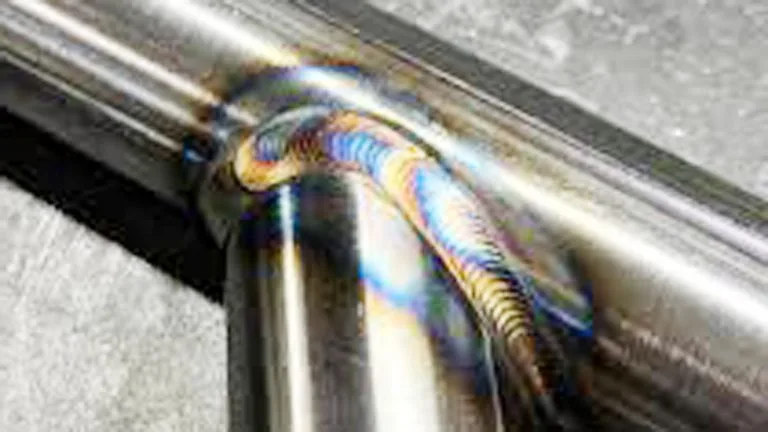
Image source: Bing (Web (fair-use with source credit))
So, can you MIG weld chromoly? The short answer is a confident yes, but it’s a process that requires a good understanding of the material's unique properties and a dialed-in welding approach. It's not quite as forgiving as welding plain mild steel; chromoly asks for a bit more respect.
Manufacturer specifications confirm that chromium-molybdenum steel (chromoly) alloys like 4130 offer significant strength advantages. Properly welding these alloys is crucial for maintaining that integrity, and as of 2026, MIG welding remains a viable method when executed correctly with the right parameters. Let's dive into what that actually looks like.
Understanding Chromoly Steel
Chromoly steel, a blend of iron, chromium, and molybdenum, is prized in engineering for its impressive strength-to-weight ratio. The addition of chromium improves hardenability and corrosion resistance, while molybdenum enhances toughness and resistance to high temperatures. These elements combine to make chromoly stronger and more durable than plain carbon steel, making it ideal for applications where weight and stress are critical factors.
MIG Welding Chromoly: The Key Variables
The success of MIG welding chromoly hinges on several interconnected factors. Ignoring any one of these can lead to poor weld quality, compromised strength, or outright failure. It’s where many DIYers encounter trouble if they treat chromoly just like any other steel.
Alloy Type Matters: 4130 vs. Others
Not all chromoly is created equal, and the specific alloy you're working with makes a big difference. The most common type you'll encounter for fabrication projects is 4130 chromoly, known for its good weldability. However, there are other grades, such as 4140 or 4340, that have higher alloy content.
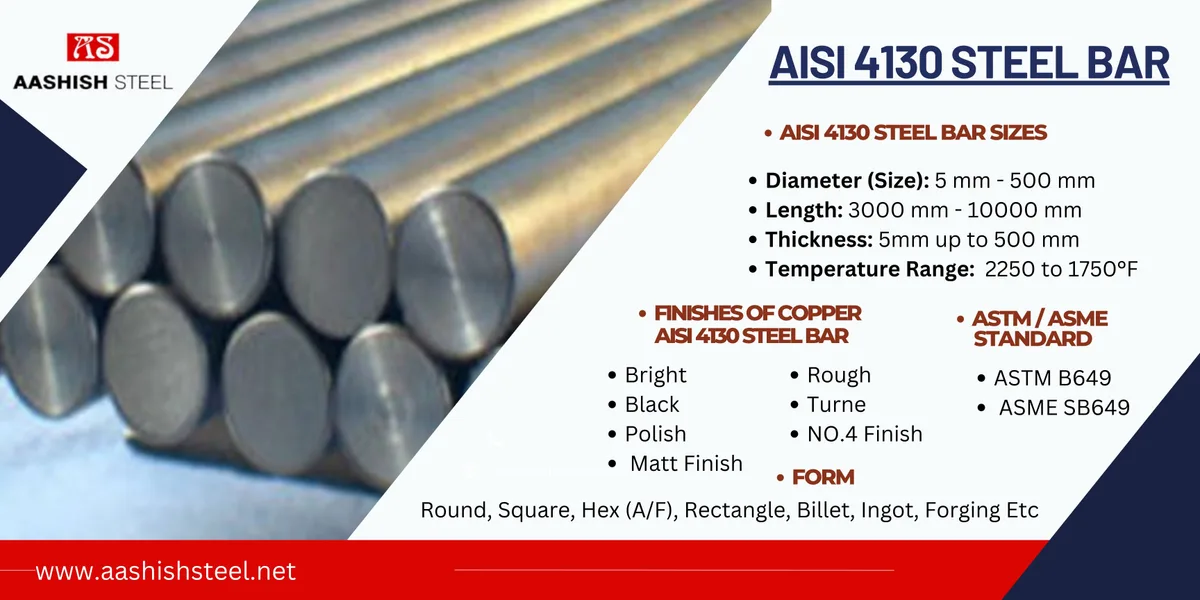
- 4130 (e.g., AISI 4130): Generally considered the most user-friendly for MIG welding in prototyping and custom fabrication. Its balanced composition allows for relatively straightforward welding when proper procedures are followed.
- Higher Alloyed Chromoly (e.g., 4140, 4340): These can be more prone to cracking or developing brittle microstructures if not handled with extreme care. They often require more rigorous preheating and post-weld treatment procedures to achieve sound welds. Aggregated user feedback suggests sticking to 4130 for MIG unless you have specific expertise with the other alloys.
Your MIG Welder's Capabilities
Your welding machine itself plays a significant role. A capable MIG welder is essential for controlling heat input and achieving proper fusion with chromoly. You'll need a machine that can reliably deliver consistent power and stable arc characteristics.
- Amperage: For most common chromoly thicknesses, you'll need a MIG welder capable of delivering at least 150 amps. This allows for adequate penetration without excessively heating the base metal. For thinner wall tubing, lower settings would be used, but the machine's overall capability is key.
- Wire Feed Control: Smooth, consistent wire feeding is non-negotiable. Any stuttering or erratic feed can lead to weld defects, which are particularly dangerous in high-stress applications. Consistency here is more critical than with mild steel.
- Duty Cycle: For production work or longer welding sessions, consider the welder's duty cycle. A higher duty cycle means the machine can operate for longer periods at a given amperage before needing to cool down.
If you're looking at machines, consult resources like a mig welder settings guide to understand what to look for.
Shielding Gas: Your Invisible Shield
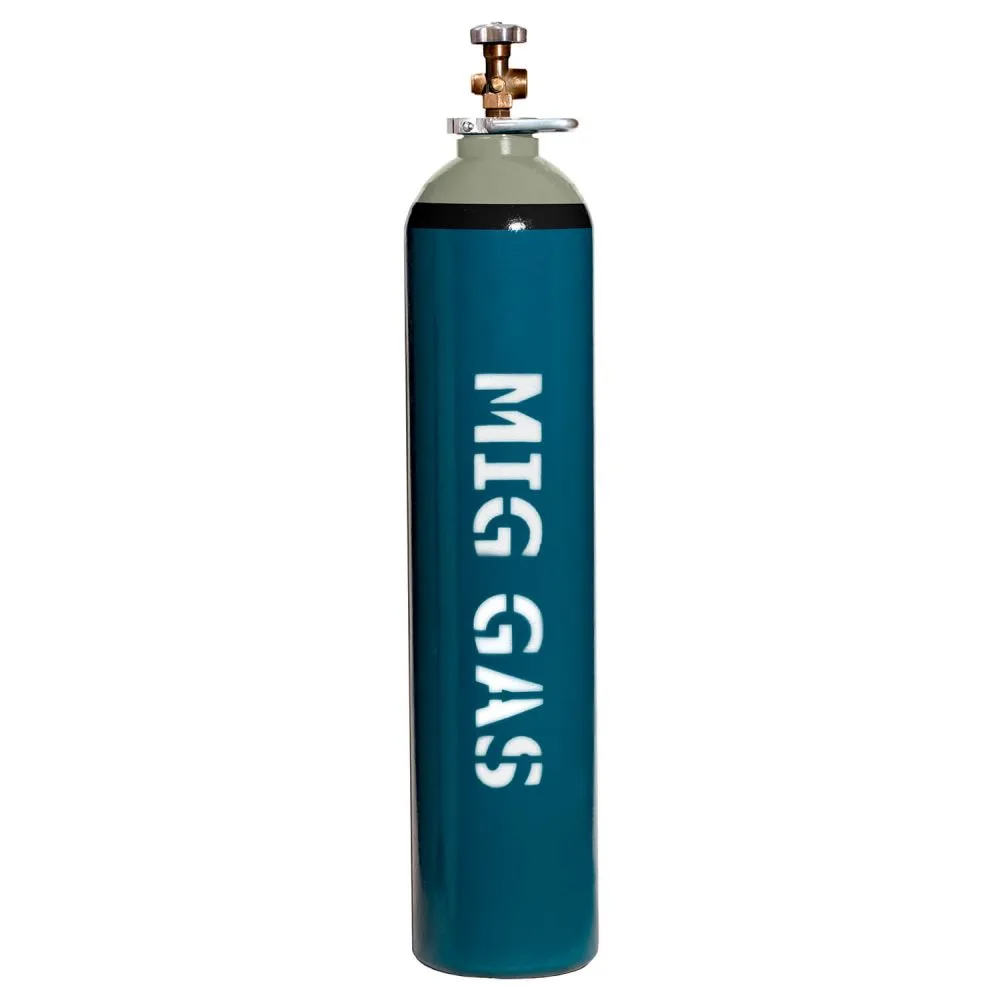
Proper shielding gas is absolutely critical when MIG welding chromoly. It protects the molten weld puddle from atmospheric contamination, which can lead to porosity and embrittlement. You cannot simply use the flux-cored wire's internal shielding, nor can you get away with just straight CO2 for most chromoly applications.
- Recommended Mixes: The most common and recommended shielding gas for MIG welding chromoly is typically an Argon/CO2 blend. A standard mix is 75% Argon / 25% CO2. This blend provides a good balance of arc stability, penetration, and wetting characteristics suitable for these alloys.
- Why Not Pure CO2? While sometimes used for mild steel, pure CO2 can lead to excessive spatter and a higher risk of hydrogen-induced cracking in chromoly because it breaks down at welding temperatures to produce more problematic gases.
- Gas Flow Rate: Ensuring the correct gas flow rate is also important. Too little gas leaves the weld exposed; too much can cause turbulence, sucking in air. A typical flow rate might be around 20-25 cubic feet per hour (CFH), but this can vary. A good best gas regulator for home can help you dial this in.
The Chromoly Welding Process: Step-by-Step
Executing a successful MIG weld on chromoly involves a methodical approach, emphasizing cleanliness and controlled heat. This isn't a process to rush; each step builds on the last, ensuring structural integrity.
Preparation is Paramount: Cleaning for Success
Contamination is the enemy of good chromoly welds. Grease, oil, paint, dirt, or even finger oils can introduce impurities that lead to defects like porosity, inclusions, or cracks. A thorough cleaning process is non-negotiable before you strike an arc.
- Mechanical Cleaning: Start by degreasing the area to be welded. Use a suitable solvent like an acetone-based cleaner or a dedicated metal degreaser. Then, if there's any surface rust or mill scale, it needs to be removed. A wire brush (stainless steel is often best here) or a grinding disc on an angle grinder works well. Ensure you aren't just pushing contaminants around.
- Solvent Wipe: After mechanical cleaning, give the area a final wipe-down with a clean rag and solvent. This removes any residue left from grinding or brushing. Make sure the solvent evaporates completely before welding.
Preheating: When and Why?
For thicker sections of chromoly or less forgiving alloy grades, preheating the base material is often a critical step to prevent cracking. Preheating slows down the cooling rate of the weld area, reducing the formation of brittle martensitic structures that can lead to failure.
- Target Temperature: The required preheat temperature varies based on the specific alloy and thickness, but for common applications like 4130 tubing around 1/16 inch thick, preheating might not always be strictly necessary if your heat input is well-controlled. However, for anything thicker (say, 1/4 inch or more) or in critical applications, preheating to anywhere from 200°F (93°C) to 500°F (260°C) or higher might be recommended.
- Tools: Preheat can be achieved using a torch (oxy-acetylene or propane), induction heaters, or heating ovens. It's important to heat a wider area around the joint, not just the immediate weld line, to ensure even temperature distribution.
Laying the Bead: Technique is Everything
Once cleaned and potentially preheated, you can begin laying your weld beads. The goal is to achieve good fusion with minimal heat input and a smooth, continuous bead.
- Weld Direction: For tubing or sections that are part of a joint, consider your welding direction. Sometimes, a consistent direction, or alternating sides (stitch welding), helps manage heat.
- Travel Speed: Maintain a steady travel speed. Too fast, and you won't get proper fusion; too slow, and you’ll dump too much heat into the material, risking distortion or other defects.
- Gun Angle: Hold your MIG gun at a consistent angle, typically a slight drag angle (the gun is angled slightly back, in the direction of travel). This helps control the puddle and penetration. For more on MIG settings, a guide on how to calculate wire feed speed in mig welding can be beneficial.
Cooling Down: Controlled Transitions
Just as preheating is important, so is how the weld cools down. Rapid cooling can introduce significant stresses into the weld and surrounding metal, increasing the risk of cracking.
- Slow Cooling Techniques: For critical welds, allowing the part to cool slowly is key. This might involve covering the hot part with a welding blanket or leaving it in a preheated furnace until it reaches a safe handling temperature.
- Avoiding Quenching: Never quench a hot chromoly weld with water or any rapid cooling method. This will harden the steel too quickly and can lead to brittle fracture.
Critical Mistakes to Avoid When MIG Welding Chromoly
When you're MIG welding chromoly, a few common errors can turn a good intention into a bad weld. These mistakes often stem from treating it like mild steel or cutting corners on critical steps. Being aware of them can save you a lot of headaches and potential rework down the line.
Contamination Catastrophes
This is by far the most frequent offender. Welding over rust, grease, oil, or even dirt introduces impurities directly into your weld pool. These impurities can cause voids, gas pockets (porosity), and weak spots in the solidified metal.
Our research indicates that contaminations like hydrocarbons can significantly reduce the tensile strength and toughness of chromoly welds. It’s why thorough cleaning using solvents like acetone or specialized degreasers, followed by careful handling, is so crucial. Even fingerprints can leave behind oils that cause issues on sensitive alloys.
Overdoing the Heat
While you need enough heat for good fusion, excessive heat input is detrimental to chromoly. Overheating leads to grain growth, which weakens the material and can make it brittle. It also increases the likelihood of warping or distortion, especially on thinner tubing.
Manufacturer specifications for chromoly alloys often detail recommended heat input limits (measured in kilojoules per inch or millimeter). Exceeding these can compromise the engineered properties of the steel. Aim for the lowest heat input that still achieves the necessary penetration and fusion.
Rushing the Process
You might be tempted to speed through the setup or the actual welding to get the job done faster. However, rushing chromoly welding is a recipe for disaster. This includes not spending enough time on cleaning, skipping preheating when it's needed, or not allowing for controlled cooling.
Each step, from cleaning to cooldown, plays a vital role in the final integrity of the weld. A solid weld takes time and meticulous execution. For instance, not allowing the metal to cool properly after welding can trap internal stresses, making the joint prone to cracking later under load.
When MIG Might Not Be the Best Choice
While MIG welding is a capable process for chromoly, it's not always the absolute best option for every single situation or every fabricator. Sometimes, other methods might offer superior control or suitability. This is especially true for extremely critical applications or when working with very thin-walled tubing where heat control is paramount.
- TIG Welding: Many experienced fabricators prefer TIG (Tungsten Inert Gas) welding for chromoly, especially for critical components like bicycle frames or high-performance racing structures. TIG offers exceptional control over heat input and bead placement, resulting in cleaner, more precise welds. It allows for a very controlled deposition of filler material.
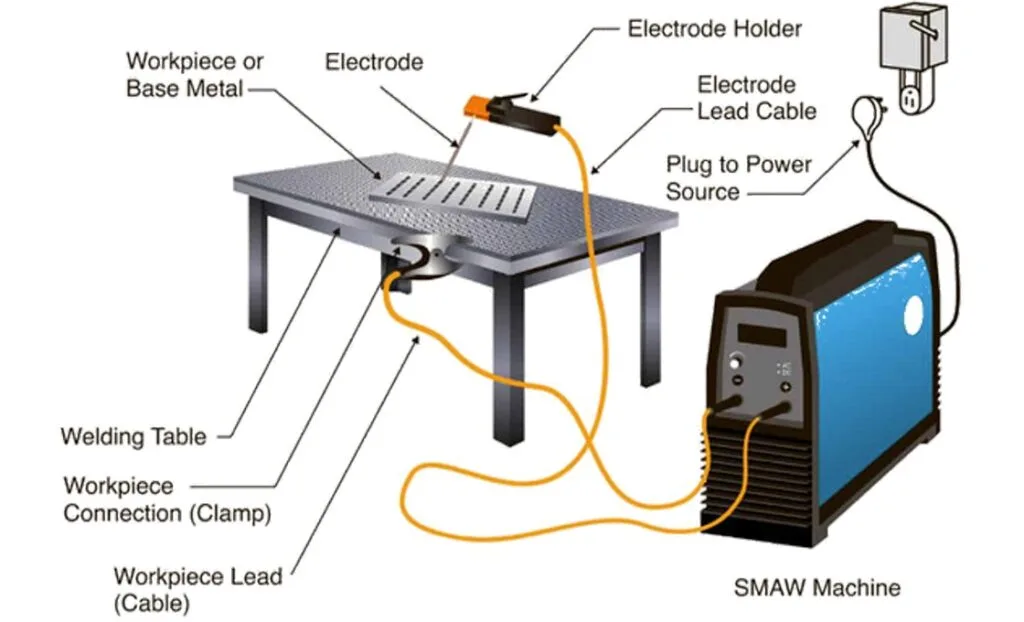
- Stick Welding (SMAW): Stick welding is generally not recommended for chromoly, particularly for thin-walled tubing or precision work. The heat control is less refined, and it's harder to achieve the clean, precise welds that chromoly often requires. While specialized electrodes exist, it's a more challenging process for this alloy.
The choice often comes down to the welder's skill level, the specific application, and the required weld quality. If you're unsure about MIG's suitability for your project, exploring TIG welding might be a worthwhile consideration.
Expert Tips for Better Chromoly Welds
Drawing on industry best practices and common advice from experienced fabricators, here are a few tips to elevate your chromoly welding game. These aren't complicated tricks, but rather consistent habits that make a real difference.
- Use the Right Filler Wire: Ensure your filler metal is specifically designed for welding chromoly alloys. For 4130, a common choice is ER80S-D2, which offers good mechanical properties that match the base metal. Always check the manufacturer’s recommendations for your specific chromoly grade.
- Practice on Scrap: If you're new to welding chromoly or using a new setup, spend time practicing on scrap pieces of the same material. This allows you to dial in your settings for amperage, wire speed, and travel speed without risking a critical component.
- Watch Your Arc: Pay close attention to the arc and the weld puddle. A well-behaved arc is usually a sign of correct gas flow, clean metal, and appropriate settings. Excessive spatter or an unstable arc often indicates a problem that needs addressing before proceeding.
- Clean Your Tips: Consumable parts like MIG gun tips can become clogged with spatter. Keep them clean and replace them when necessary. A clean tip ensures consistent electrical contact and gas flow.
These small adjustments can significantly improve the quality and reliability of your chromoly welds. Following established procedures, like those found in aws welding chart resources, can provide a baseline for many welding scenarios.
Decision Guide: Is MIG Right for Your Chromoly Project?
Deciding whether MIG welding is the right path for your chromoly project essentially comes down to a few key questions about your resources, your material, and your goals. Think of it as a quick checklist to steer you in the right direction.
- What is the specific chromoly alloy and thickness? For common 4130 tubing used in frames or roll cages, MIG is often suitable. Thicker sections or highly specialized alloys might benefit more from other processes. If you're dealing with very thin-walled tubing, consider a process with finer heat control.
- Do you have a capable MIG welder? A machine that can provide consistent amperage (150+ amps ideally, depending on thickness), stable wire feed, and works with the correct shielding gas is essential. A basic hobbyist machine might struggle.
- Are you meticulous about preparation? Success hinges on absolute cleanliness and careful attention to detail. If you're prone to skipping prep steps, MIG welding chromoly might not be your best fit.
- What's the criticality of the project? For everyday custom builds where absolute peak performance isn't the sole driver, well-executed MIG welds are often perfectly adequate. For aerospace or competitive racing components, you might lean towards TIG for that extra margin of safety and precision.
If you're confident in your equipment, committed to thorough preparation, and working with standard chromoly alloys, MIG welding can absolutely get the job done effectively. If any of those points raise a red flag, it's worth exploring alternatives or gaining more experience.


